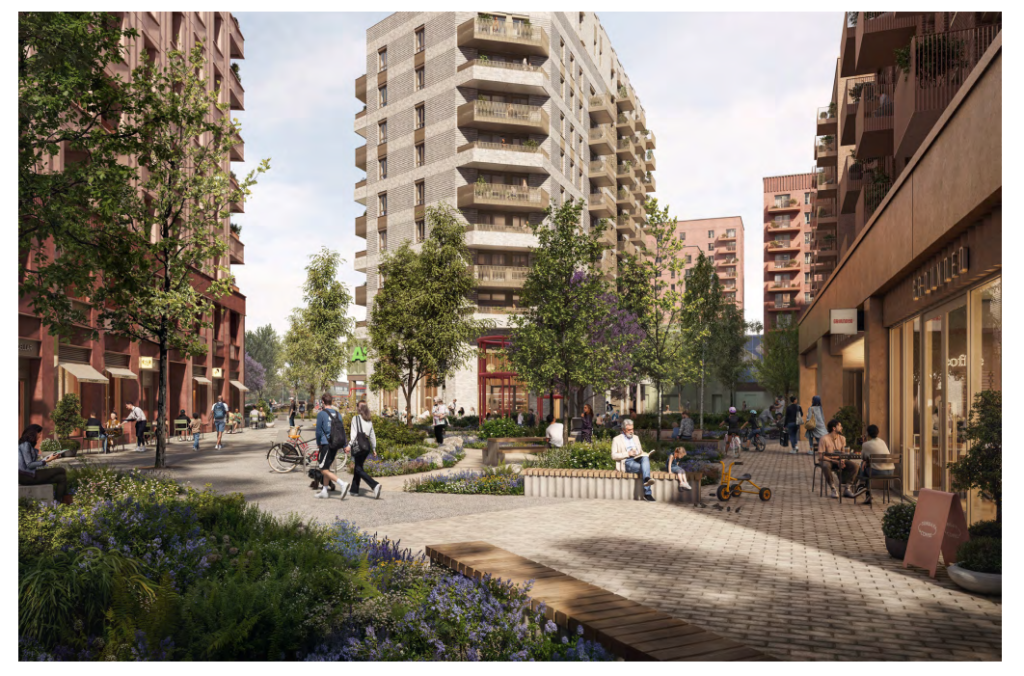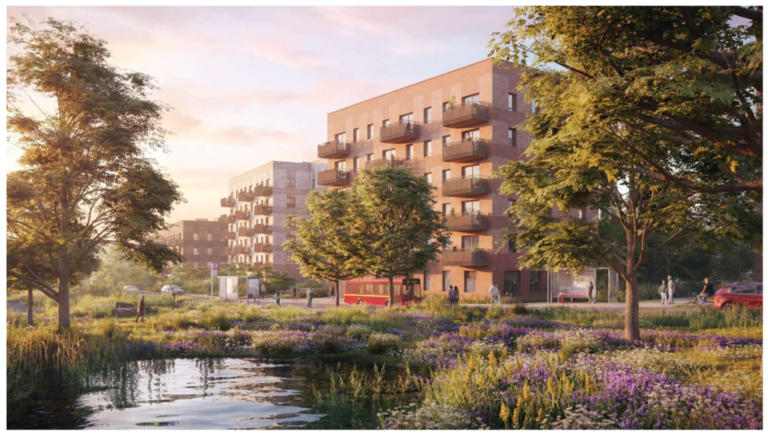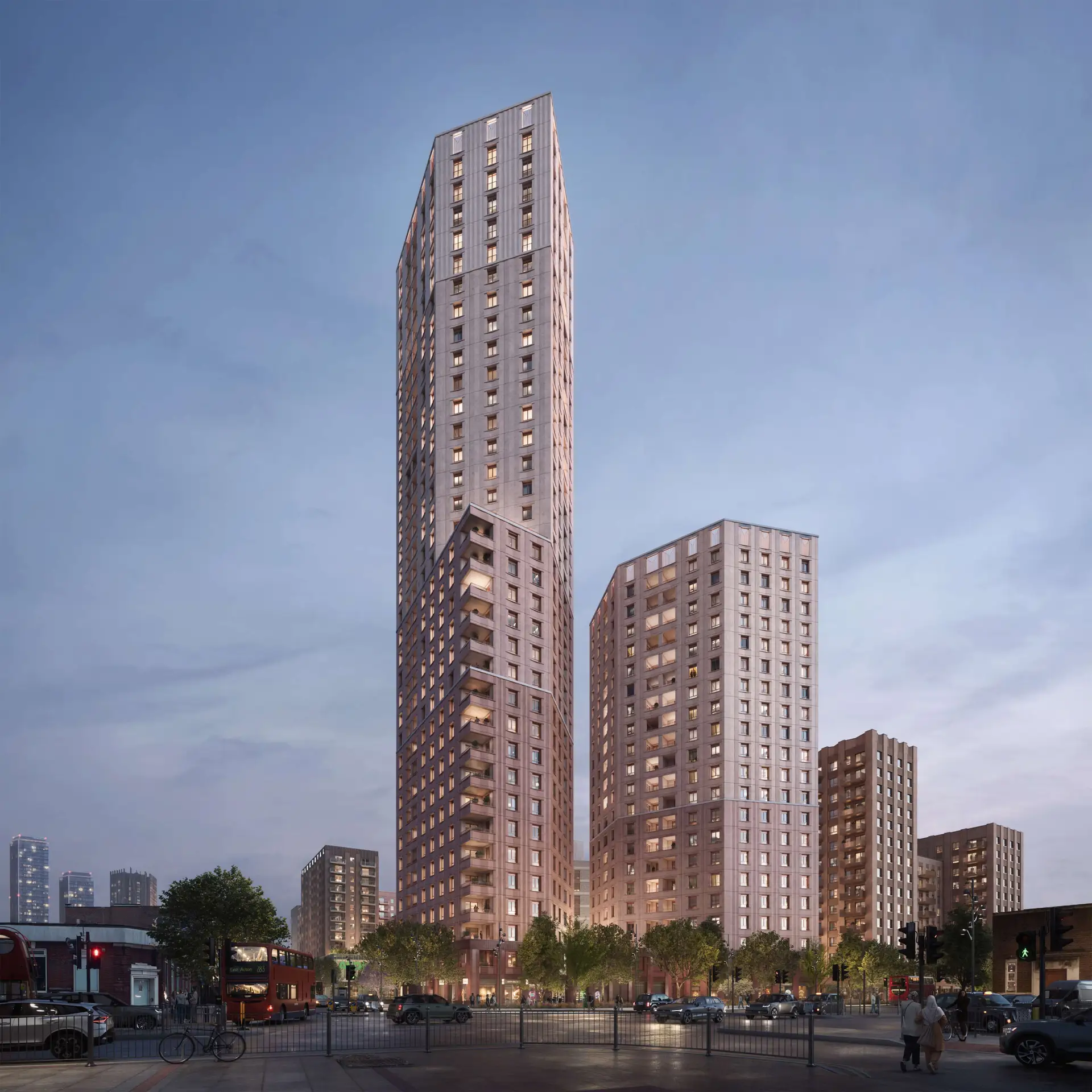
Proposals in support of an comprehensive mixed-use development comprising a new Asda superstore and the phased construction of approximately 1,510 homes alongside associated infrastructure, public realm improvements, and flexible town centre commercial floorspace.
The retail superstore warehouse at 2-20 Western Road, is currently occupied by Asda, a national supermarket chain. Asda owns the freehold of the Site and has chosen to redevelop it in partnership with a housing developer.
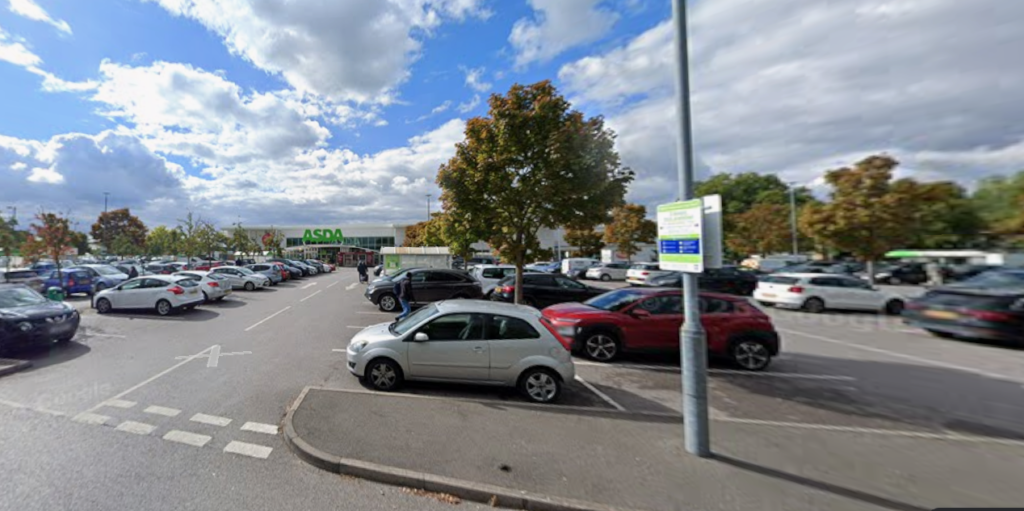
The northwestern quarter of the Site is occupied in its entirety by the Asda Superstore, which construction was completed in March 1998 and the store opened in November 2002. Within the southeastern quarter of the Site is a 4-pump self-service Petrol Filling Station (PFS). Both the Superstore and PFS have 24-hour operating and servicing hours. The Site currently has 492 surface level car parking spaces, of which 24 are blue badge
spaces; as well as 10 long stay cycle spaces.
Barratt London was selected as the development partner in 2023, and together Asda & Barratt would deliver this residential-led, mixed-use development on the Site.
The site represents a significant opportunity for regeneration given its strategic location within the administrative boundary of the Old Oak and Park Royal Development Corporation (OPDC), set by the current Mayor of London Sadiq Khan during his first time in 2016.
Of the 1,510 indicative new homes proposed, 10% will be affordable homes following the Viability Tested Route (VTR). Of the 123 affordable homes proposed, 65 homes will be affordable rent and 58 will be intermediate. 42 affordable homes (35%) will be 3-bed family homes meeting the localised need for family housing.
The development has an estimated CIL obligation of £21.8M (£11.1M Borough CIL and £10.7M Mayoral CIL).
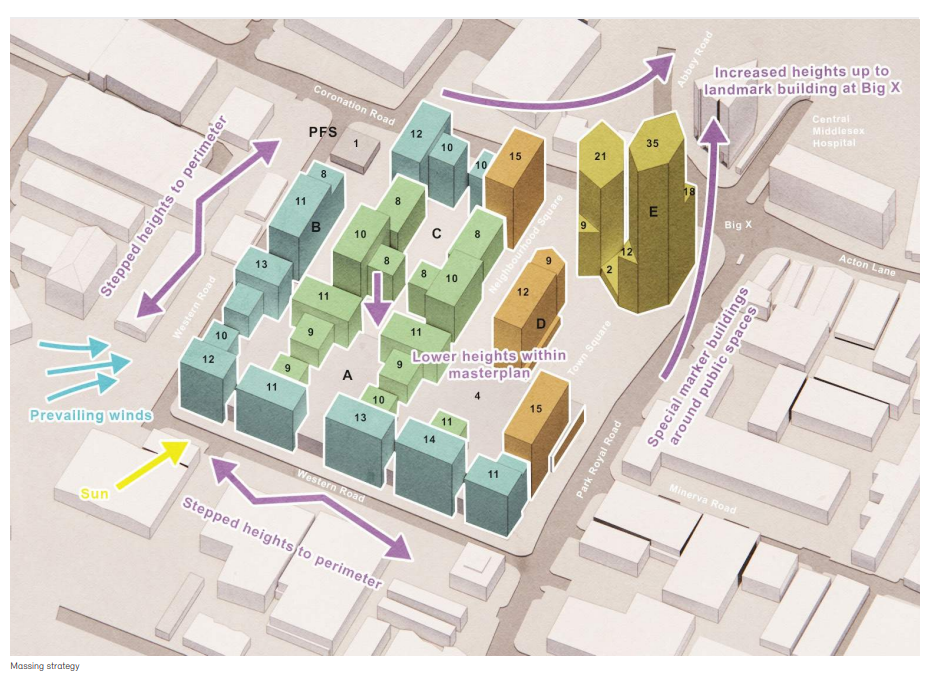
The development has been designed by an architectural team that between them have won multiple architectural awards. The development architects are; Pollard Thomas Edward (PTE): Responsible for the overall masterplan, and Buildings A, E1 and E2. Cowen + Partners: Responsible for Buildings B and Hutchinson & Partners: Responsible for Building C East: Responsible for the Landscape masterplan.
High levels of residential amenity are proposed with 65.5% of homes being dual aspect with excellent outlook into the public realm. There will be no north facing single aspect homes and no 3 bed single aspect homes. All new homes will be built in accordance with the minimum housing design standards, with every home benefiting from private amenity space in the form of balconies, private residential gardens or terraces. This will be supplemented by communal residential amenity areas and publicly accessible open space.
The development is targeting Passivhaus Classic Certification through the innovative Barratt Lo-E approach to high-density housing. This strategy combines highly efficient Passivhaus certified apartments with compact, individual heating, ventilation, and cooling systems, directly addressing the challenges of delivering affordable, resilient, and sustainable homes in London.
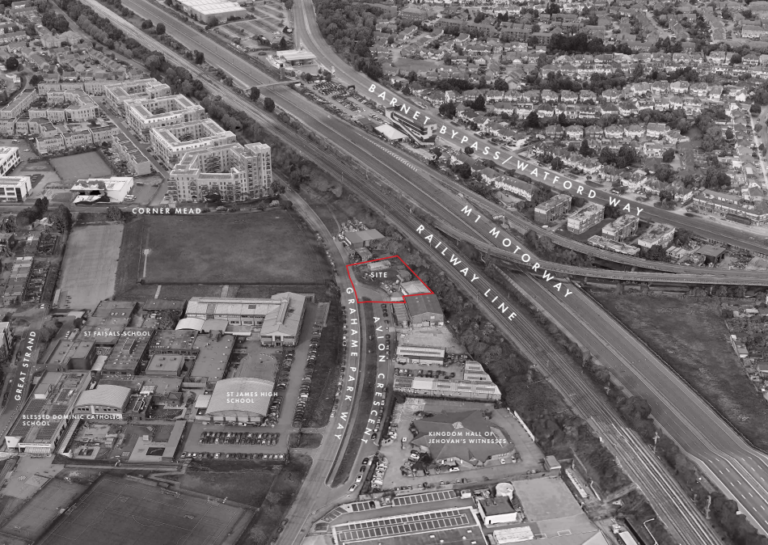
The Site comprises a brownfield parcel within a predominantly commercial and industrial environment. It occupies a relatively level plot at the junction of Western Road and Park Royal Road, in proximity to the Coronation Road junction (commonly referred to as the ‘Big X’ junction). The immediate townscape is defined by utilitarian industrial buildings, service yards, vehicular access points and associated servicing infrastructure.
The Site has a Public Transport Access Level (PTAL) rating of 3, which indicates a moderate level of accessibility to public transport services. This reflects the Site’s location within the established Park Royal area, with access to a range of bus and rail services within walking distance.
In total, seven bus routes fall within the defined PTAL catchment (approximately 640 metres /
an eight-minute walk). The PTAL assessment confirms that up to 28 buses per hour operate during peak periods within walking distance of the Site, providing regular connections to surrounding town centres
and transport interchanges.